“You become a producer by saying you’re a producer” – Esther’s Freelancing In The Creative Industries Skills Bootcamp experience
Esther spent years building a career in salaried music and events work, making contacts and gaining experience along the way. Then they took the leap: going freelance and moving into something completely different: film and theatre producing, and the creative arts more broadly. It’s a genuinely scary move, and one that nobody really teaches you how to make. That’s what brought them to MUTI’s Freelancing in the Creative Industries Skills Bootcamp, and it changed how they talk about their work, how they plan their finances, and how they think about themselves as a freelancer.
A room full of different disciplines, one shared problem
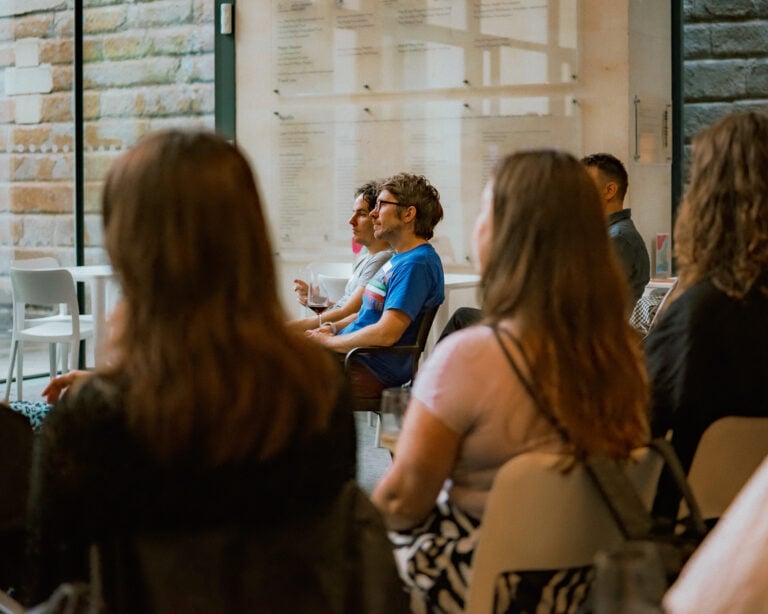
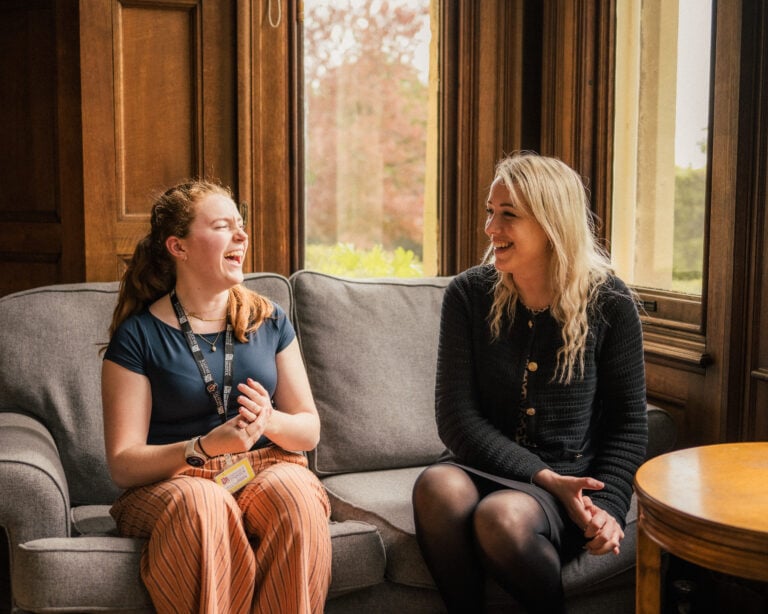
Esther’s cohort included a dancer, a photographer, a painter, and someone opening a wellness space. People doing completely different things, united by the same freelance reality.
Being freelance is enough to kind of unite you in having the same problems, but then also enough difference to have other people’s perspectives that they could bring in from different disciplines and say, “well, this is how we do it in this discipline, maybe you could use that in yours.”
Each session ended with intention-setting: everyone naming an action for the week ahead. Often, someone else in the room could help; a contact to make, something to learn, and the group would step in.
There’s just a sense of not doing it on your own. Because you’re doing so much self-reflection, there are times in that room where it gets quite emotional and personal, and I think as a cohort we all really respected each other’s perspectives and values and were able to hold that space really nicely.
Learning to say it out loud
Some of the most valuable sessions weren’t about finance or contracts at all but were about brand, and about working out what they actually offer as a producer, in a way that’s authentic to them.
Even in just a confidence-building way, you rarely think about yourself that much, or think, “hey, these are the good qualities about me, this is how I’m going to sell myself.”
For Esther, that meant getting comfortable simply naming what they do, something that isn’t always easy in the arts, where plenty of people who make art still hesitate to call themselves artists.
Having that confidence to be like, “hello, I’m Esther, I’m a producer, and this is what I focus on” having the time to actually focus on yourself.
Being made to reflect
Esther is the first to admit reflection doesn’t come naturally to them, they need someone to sit them down and make them do it.
The course is really good for that: “okay, this might be uncomfortable, but this is what you’re going to do.” There were loads of parts of it that helped me understand myself better as a person, as well as a freelancer.
The tools that stuck
The practical side of the bootcamp has outlasted the course itself. Esther still uses the freelancer projection sheet they were introduced to during the finance sessions, essential for a sustainable freelance career.
As a freelancer, you just have such dips and peaks and troughs that you sometimes feel like you have money and sometimes you’re like, “what am I doing?” It’s good to have a practical tool that you can see, that you can forecast, rather than getting to the point of “I’m not going to have any work in three months” and think, “oh no, that’s happening now.”
They also opened a business bank account during the course’s finance module. One of several small, concrete steps that came out of simply having dedicated time each week to look at their business rather than just the next project.
Would they recommend it?
Without hesitation. Esther came to the bootcamp at a genuine turning point: newly freelance, still finding their fee, and says being surrounded by others at similar moments of transition or growth was part of what made it work.
I think it would actually be useful for anyone at any point in their careers, because there’s always stuff that you can be doing differently or growing. It’s just a really, really useful tool for anyone working in the creative industries.
Freelancing in the Creative Industries
Full to the brim with practical tools, expert guidance, and peer support to strengthen your business foundations.
Find out more
Training for your team
Want to fire up your team or fill skills gaps?
Discover How
Training for yourself
Want to develop your career or move into the industry?
Discover How
Case Studies
Keeping your best people: how an apprenticeship made ACF’s go-to technical expert