- Staff
Article by
We care about the live arts and events sector and its power to facilitate connection, dissipate stress, and build joy. It is a vital vehicle for collective expression. Coming together in person has never felt more crucial than it does now – as we continue to scramble back up the hill we are so used to being kicked down by global pandemics, political uncertainty, and a digital divide that supercharges distrust and steals our attention for gold coin in Silicon Valley.
The more complex answer is that we exist to anticipate and overcome the shifts affecting our industry. We are here to help individuals and businesses overcome the forces that undermine their confidence. We do this by designing training programmes that build capability from entry-level to senior leadership.
Yes, but only on the surface. As a training provider, we have to anticipate and account for deeper, harder-to-shift forces. We have to ask the difficult questions and interpret what they mean for our sector now in the years to come:
Curiosity and the “love of finding out” are the only truly vital parts of compulsory education that correlate to career longevity. While the answers to these questions are complex, our response is practical: Good training helps people develop new modes of thinking and doing. It provides the structures needed to thrive, whether you are employed by a global firm or working for yourself.
It is telling that we still measure the success of our education system by achievement in Maths and English. While important, we now live in an age of portfolio careers, hybrid teams, and AI. Where is the emphasis on the real skills needed to thrive?
We often hear about “Future Skills,” but that is a misnomer. These are Now Skills, and without them, the workforce is left stranded. At MUTI Live, we focus on:
I reflected recently on the overuse of the term ‘pathways’ in education, whilst on a solo autumnal ramble. We often forget what a pathway actually is: a route carved out by those who have gone before us. Over the years I have seen many “pathways” that have actually been nothing more than a beacon on a distant hill, leaving the learner to scramble through the brambles to reach it by themself. At MUTI Live, we believe a real pathway requires a guide. We bring in exceptional tutors to share their wealth of real-world knowledge. They don’t just point at the destination; they show you where the footing is solid.
We do it because we believe in radical models of inspiring and tooling up our sector’s people. We want to help you become really, really good at what you do. And once you’ve reached that level, we’ll probably invite you back to share that knowledge with the next generation.
But not before we come and boogie at your gigs.
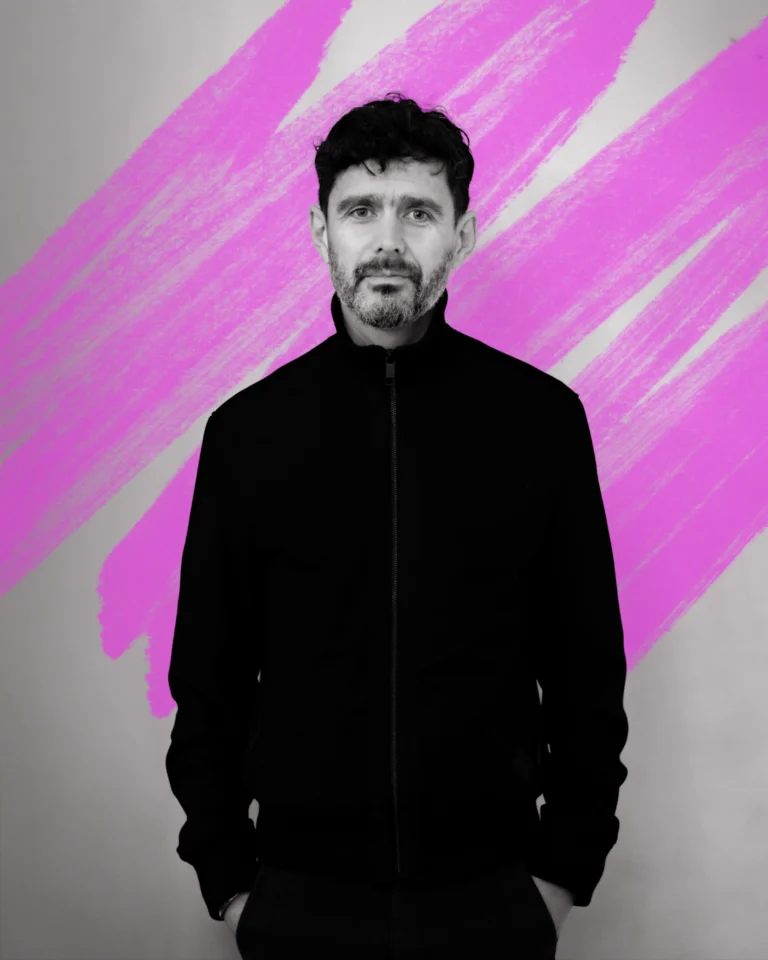
Nick Young-Wolfe – 46, failed at uni, ADHD (diagnosed by everyone who knows me, but I can’t see it), raver & lover of all things Live.